Understanding the Benefits of Window Tint Near Me
Window tinting has emerged as a popular choice for vehicle owners looking to enhance both the aesthetics and functionality of their cars. When searching for window tint near me, it’s essential to understand the myriad of benefits this service offers. From reducing heat and glare to providing privacy and style, window tinting can significantly improve your driving experience. In this article, we’ll explore the many advantages of window tinting, the types available, the installation process, maintenance tips, and answer frequently asked questions.
Why Choose Window Tinting?
Choosing window tinting for your vehicle is more than just a cosmetic enhancement. One of the primary reasons people opt for window tint is to protect themselves and their passengers from harmful UV rays. According to the Skin Cancer Foundation, more than 90% of skin cancers are caused by UV exposure, making window tinting a wise choice for health-conscious individuals. Additionally, tinted windows can help prolong the life of your car’s interior by reducing fading and cracking caused by sun exposure.
Common Misconceptions About Window Tint
Despite its growing popularity, there are several misconceptions surrounding window tinting. A common belief is that all window tints are prohibitively dark, leading to reduced visibility and unsafe driving conditions. However, advancements in tint technology have produced a variety of shades that ensure both aesthetic appeal and safety. Another misconception is related to legality; many people believe that window tint is illegal across all states, when in reality, regulations vary significantly. It’s important to educate yourself on the laws specific to your area.
How Window Tinting Improves Comfort and Protection
Window tinting offers a variety of benefits that contribute to a more comfortable ride. By reducing heat buildup inside the vehicle, window tinting allows the air conditioning to work more efficiently, resulting in lower energy consumption and fuel savings. Moreover, it can significantly reduce glare, enhancing driving comfort and safety. Additionally, window tinting acts as a barrier against shattering glass during accidents, providing an extra layer of protection for passengers.
Types of Window Tint Available in My Area
Exploring Different Tint Shades and Types
When considering window tint, it’s important to note the different shades and types available. Tints come in various shades from light to dark, allowing you to choose one that fits your style and needs. Common options include standard dyed film, reflective film, and ceramic film. Dyed film provides aesthetic enhancements and UV protection, while reflective film is best for those seeking maximum heat reduction. Ceramic tints offer superior performance by blocking out UV rays without compromising clarity.
Comparing Ceramic vs. Dye-based Tint
Ceramic and dye-based tints each have their pros and cons. Dye-based tints are typically more affordable but may fade over time and offer less heat rejection. In contrast, ceramic tints are more expensive but are renowned for their durability and superior heat and UV ray blockage. They also do not interfere with electronic signals, making them a preferred choice for modern vehicles equipped with advanced technology. Consider your budget and needs when choosing between the two.
Choosing the Right Window Tint for Your Needs
Selecting the right window tint requires careful consideration of several factors. These include your personal budget, local regulations regarding tint levels, the climate in your area, and the primary purpose of the tint. For instance, if heat reduction is your primary goal, investing in high-quality ceramic tint may be ideal despite the higher cost. Alternatively, if aesthetics are more important, a dye-based option could suffice. Always consult with a professional to determine the best fit for your vehicle and lifestyle.
Window Tint Installation: What to Expect
Step-by-Step Window Tint Application
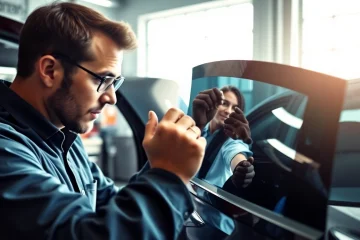
Understanding the installation process can help ease any concerns you may have about getting your car tinted. The installation typically begins with cleaning the windows to remove any dirt or debris. Next, the installer will measure and cut the tint film to the appropriate size. Afterward, a solution is applied to the windows, allowing the tint to stick without creating air bubbles. Finally, the film is carefully adhered to the glass, and excess material is trimmed off for a clean finish.
Understanding the Curing Process
The curing process is essential after installation, as it allows the film to bond securely with the glass. Typically, the curing time can take anywhere from a few days to a week, depending on factors such as humidity and temperature. During this time, it’s important to avoid rolling down the windows to ensure that the tint adheres properly. After the curing process, your tinted windows will offer the full benefits of heat reduction and glare protection.
Common Questions During Installation
During the installation process, several common questions may arise. Many people want to know about the longevity of the tint. High-quality window tint can last anywhere between 5 to 10 years or more, depending on the type and maintenance. Others may inquire about warranty options; reputable installation services usually offer warranties to cover any defects or issues with the tint. Addressing these questions ahead of time can help set proper expectations and ensure a smooth installation experience.
Maintenance Tips for Your Window Tint
How to Clean Tinted Windows Safely
Proper maintenance of your tinted windows is crucial for their longevity. When cleaning tinted windows, always use a soft microfiber cloth and a gentle cleaning solution specifically designed for tinted surfaces. Avoid ammonia-based cleaners as they can degrade the tint film over time. It’s recommended to clean the windows regularly to maintain clarity and prevent buildup of dust or residue.
Signs That Your Tint Needs Professional Help
Several signs indicate that your window tint may require professional attention. Look for bubbling, peeling, or discoloration, as these issues can indicate poor installation or damage to the tint. If you notice a decrease in heat rejection or clarity, it may also be time to consult a professional. Regular checks can help you catch these problems early, ensuring you maintain the benefits of your window tint.
Extending the Life of Your Window Tint
To extend the life of your window tint, practicing good maintenance is key. Avoid using heavy-duty cleaners, as mentioned previously, and refrain from rolling down your windows for at least a week after installation to let the tint cure properly. Parking in shaded areas can also help minimize exposure to harsh sunlight, further protecting your tint from fading.
Frequently Asked Questions about Window Tint Near Me
How Long Does Window Tint Last?
High-quality window tint can last between 5 to 10 years, with proper care and maintenance ensuring its longevity.
Is Window Tinting Legal in My State?
Window tinting laws vary by state, so it’s crucial to research local regulations to ensure compliance before installation.
Can I Remove Window Tint Myself?
While DIY removal is possible, it can be challenging and may damage the glass, so professional help is often recommended for best results.
Does Window Tint Help with Heat Reduction?
Yes, window tint significantly reduces heat inside the vehicle, allowing for a more comfortable interior and less reliance on air conditioning.
What Are the Installation Costs for Window Tint?
Installation costs can vary widely based on factors such as type and quality of tint, vehicle size, and the installation service, typically ranging from $200 to $600.