

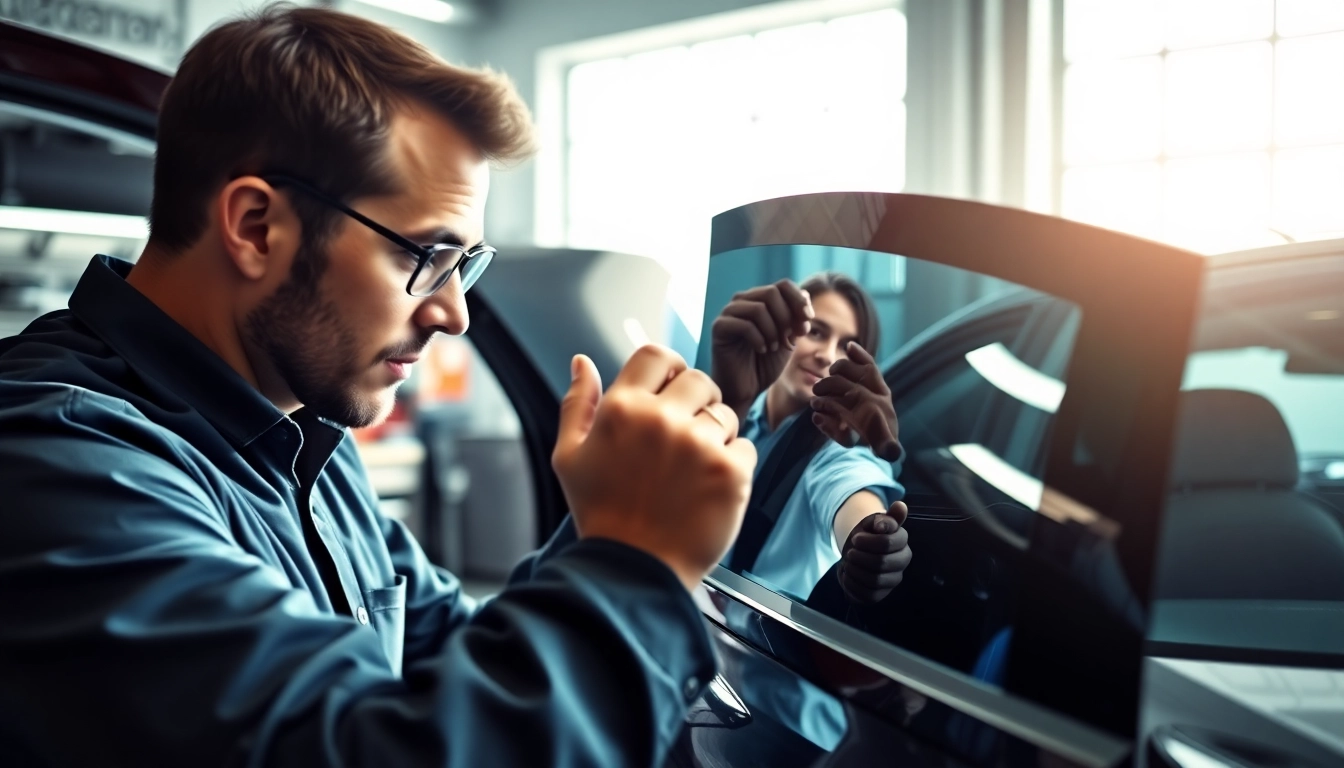
Understanding Window Tinting Basics
What is Window Tinting?
Window tinting is a process that involves applying a thin film to the windows of vehicles, buildings, or other structures. This film is designed to control the amount of light that enters a space, improving aesthetics, comfort, and security. Commonly used for cars, window tint comes in a variety of shades and styles to meet different needs and preferences. Nowadays, many vehicle owners seek window tint near me to enhance their driving experience.
How Window Tint Works
Window tinting works by placing a coated film on the glass surface, which functions to reflect, absorb, or filter sunlight. The film acts as a barrier that reduces the heat from the sun while allowing some light to pass through, providing a cooler interior space. The effectiveness of window tint depends on factors including the level of darkness (tint shade), reflective properties, and the material used in the film. The technology ranges from basic dyed films to high-performance ceramic films that are effective in rejecting UV rays and infrared heat.
Types of Window Tints Available
There are several types of window tints available, each offering unique benefits:
- Dyed Window Film: This is one of the most basic types, where dye is applied to the film. It offers privacy and reduces glare but does not have high heat rejection properties.
- Metalized Window Film: This type incorporates metal particles that allow for superior heat rejection and durability. It also helps in blocking UV rays but may interfere with electronic signals.
- Hybrid Window Film: Combining elements of dyed and metalized films, hybrids provide a balance of heat rejection without the downside of high reflectivity.
- Ceramic Window Film: This is a newer technology that offers excellent heat and UV rejection without affecting visibility. It’s more expensive but worth it for its performance and longevity.
Benefits of Window Tint Near Me
Improved Aesthetic Appeal
One of the primary reasons people opt for window tinting is the enhanced aesthetic appeal of their vehicles or properties. Tinted windows can give a sleek and sophisticated look, making the vehicle appear more polished. Various shades allow individuals to choose their desired level of darkness, enabling customization that reflects personal style.
Enhanced Privacy Features
Privacy is another significant benefit of window tinting. Tinted windows deter prying eyes from seeing into your vehicle or home, adding a layer of security, particularly valuable in urban areas or for high-value vehicles. Whether it’s for a car or a residential area, having tinted windows can make occupants feel more secure and private.
Protection Against UV Rays
One of the most critical functions of window tint is its ability to block harmful UV rays. Prolonged exposure to UV rays can cause skin damage and contribute to skin cancer. Window tinting can block up to 99% of these harmful rays, offering an additional layer of protection for passengers and belongings inside the vehicle.
Choosing the Right Window Tint
Factors to Consider When Selecting Tint
When selecting the right window tint, several factors should be considered:
- Visibility: Consider how much light you want to let in and how dark you want the tint to be. Lighter tints may provide a less obstructed view, while darker tints offer more privacy.
- Material: Opt for high-quality film materials, such as ceramic or metalized, for durability and performance.
- Heat Rejection: Check the film’s ability to reject heat, making your car cooler and more comfortable.
- Warranty: A good warranty can indicate a quality product, so check the terms to ensure you are covered.
Legal Regulations on Tinting
Before applying window tint, it’s crucial to be aware of local laws and regulations regarding tint darkness levels and reflectivity. These regulations can vary significantly between states or municipalities. Always check local legislation to prevent fines and ensure compliance. Some areas may require specific permits for certain levels of tint.
Professional Installation vs. DIY
While DIY window tinting kits are available, professional installation offers numerous advantages. Professionals have the experience and tools needed to apply the tint without bubbles, creases, or overlaps. Additionally, many professional installations come with warranties, offering peace of mind for the user. However, DIY options can be more cost-effective for those with patience and skill.
Maintenance Tips for Window Tint
How to Care for Tinted Windows
Maintaining tinted windows is essential to ensure longevity and performance. Here are some care tips:
- Avoid Harsh Cleaners: Use microfiber cloths and mild soap or specialized window tint cleaner to avoid damaging the film.
- Wait Before Cleaning: Do not clean the interior of tinted windows for at least 30 days after installation to allow the film to cure.
- Gentle Pressure: When cleaning the tint, use gentle pressure to avoid scratches and peeling.
Common Problems and Solutions
In the world of window tinting, certain issues can arise, including bubbling, peeling, or discoloration.
- Bubbling: Often caused by moisture trapped under the film during installation. If noticed shortly after installation, consult the installer for repairs.
- Peeling: This can occur if the adhesive fails, often influenced by excessive heat or poor installation. A professional repair may be necessary.
- Discoloration: Typically resulting from low-quality film, it may indicate the need for replacement. Always choose quality tints to minimize such issues.
When to Replace Your Tint
Window tint should be replaced if you notice significant fading, peeling, or damage. The lifespan of quality tints is typically 5-10 years, but factors like exposure to sun, improper care, and quality of the installation can affect longevity. Regular inspections can help notice any deterioration early.
Window Tint FAQs
Why Should I Choose Window Tint Near Me?
Choosing window tint near me ensures you have access to local professionals who understand regional regulations and can provide timely service, enhancing your overall experience.
Will Window Tinting Affect My Car Warranty?
Typically, window tinting shouldn’t void your car warranty as long as it’s done according to manufacturer guidelines. Always consult your vehicle’s manual for specifics.
How Long Does Window Tint Last?
Quality window tint can last anywhere from 5 to 10 years, depending on the type of film used, installation quality, and care taken. Regular maintenance can extend its life significantly.
Can I Remove Window Tint Myself?
While it’s possible to remove window tint yourself, it’s often best left to professionals to avoid potential damage to the glass or adhesive residues that can be difficult to clean.
Does Window Tint Reduce Heat Inside the Car?
Yes, window tint effectively reduces heat inside the car by blocking a significant amount of solar infrared energy, leading to a cooler and more comfortable interior.