

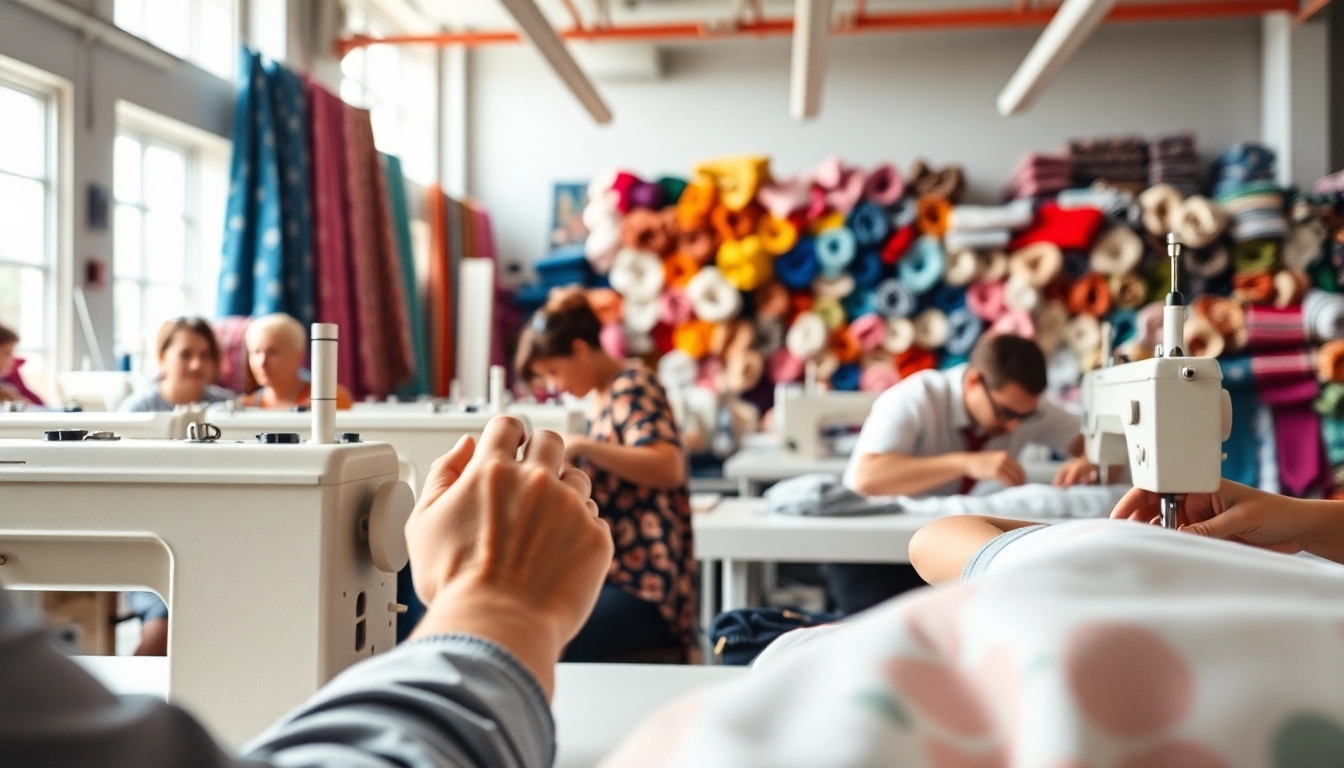
Understanding the Role of a Clothes Manufacturer
What is a Clothes Manufacturer?
A Clothes Manufacturer is a company that specializes in producing garments for brands and retailers. These manufacturers can take a design from an initial idea, develop patterns, source materials, and produce the final product ready for retail circulation. Their role is pivotal in the fashion industry, translating creative visions into tangible products that meet market demands and consumer desires.
The Importance of Quality in Clothing Production
Quality in clothing production is multifaceted and encompasses various aspects, including the materials used, craftsmanship, and overall design integrity. High-quality clothing not only reflects a brand’s identity but also influences consumer satisfaction and brand loyalty. A reputable Clothes Manufacturer ensures that rigorous quality control measures are in place to maintain high standards throughout the production process.
How Clothes Manufacturers Improve Supply Chains
Effective supply chain management is essential for the success of any apparel brand. Clothes manufacturers often streamline this process through established networks of suppliers and logistics partners. By efficiently managing inventory, reducing lead times, and optimizing transportation, manufacturers help brands to be more responsive to market needs, ultimately leading to increased profitability and sales.
Choosing the Right Clothes Manufacturer for Your Needs
Assessing Manufacturer Capabilities
Choosing the right clothes manufacturer involves a thorough assessment of their capabilities. This includes not only their technical skills—for instance, the variety of garments they can produce and the processes they employ—but also their experience in your specific market segment. Manufacturers should showcase a portfolio that aligns with your brand’s vision and requirements.
Evaluating Cost versus Quality
Cost is a critical factor when selecting a clothes manufacturer, but it should not overshadow quality. Brands often find themselves at a crossroads when cheap manufacturing options compromise the integrity of their clothing. The best approach is to strike a balance, ensuring that the chosen manufacturer maintains quality while offering competitive pricing. Consider the long-term benefits of investing in quality production.
Key Questions to Ask Potential Manufacturers
When engaging with potential clothes manufacturers, certain questions can reveal much about their operations:
- What is your production capacity?
- Can you provide samples of previous works?
- What quality assurance measures do you have in place?
- What is your lead time for production?
- Do you have eco-friendly practices?
Best Practices in Clothing Production
Implementing Efficient Production Methods
Efficient production methods are crucial in minimizing costs and maximizing output. Techniques such as lean manufacturing reduce waste and enhance efficiency. By adopting practices like just-in-time production and automation, manufacturers can significantly optimize their operations, which benefits both them and their clients.
Using Technology in Clothing Manufacturing
Technology plays a transformative role in clothing manufacturing. Advanced tools like CAD (Computer-Aided Design) for pattern making and 3D prototyping allow for rapid iterations and design accuracy. Moreover, technologies like RFID (Radio-Frequency Identification) enhance inventory management, tracking materials in real-time and reducing errors.
Ensuring Sustainable Practices in Manufacturing
Sustainability has become a key consideration for modern clothes manufacturers. Implementing eco-friendly practices—from using organic materials to optimizing energy consumption—can not only reduce a brand’s environmental footprint but also resonate with increasingly conscious consumers. Seeking manufacturers committed to sustainability helps brands align with these values.
Common Challenges Faced by Clothes Manufacturers
Dealing with Supply Chain Disruptions
Supply chain disruptions can be a significant challenge for clothes manufacturers, whether due to natural disasters, geopolitical events, or global pandemics. To mitigate these risks, manufacturers can diversify their supplier base, utilize buffer stocks, and establish contingency plans to ensure production continuity.
Managing Client Expectations and Deliverables
Effectively managing client expectations is paramount in maintaining a healthy manufacturer-client relationship. Clear communication about timelines, pricing, and production methods can preempt disappointment. Regular updates throughout the production process ensure that clients remain informed and satisfied with progress.
Quality Control Measures to Consider
Quality control is a critical component in clothing manufacturing that cannot be overlooked. Establishing standardized processes for inspection—such as in-line and final checks—ensures any defects are caught early. Additionally, feedback loops from customers can help refine quality standards over time.
FAQs about Clothes Manufacturers
What should I consider when selecting a clothes manufacturer?
Consider their capabilities, experience in your niche, production capacity, and quality assurance processes. Assessing their reliability and communication effectiveness is also vital.
How can I ensure product quality with a clothes manufacturer?
Establish robust quality control measures, request detailed samples, and communicate expectations clearly. Regular audits can help maintain consistent quality standards.
What are the benefits of using a local clothes manufacturer?
Local manufacturers can offer shorter lead times, lower shipping costs, and easier communication. They may also provide more flexibility in adapting to changes in orders.
How do clothes manufacturers handle large orders?
Manufacturers typically break large orders into manageable batches. They utilize scaling strategies and additional resources, while ensuring that quality control is not compromised.
What certifications should a clothes manufacturer have?
Look for certifications like ISO 9001 for quality assurance, OEKO-TEX for sustainable fabrics, and Fair Trade certifications. These reflect commitment to quality and ethical practices.
