

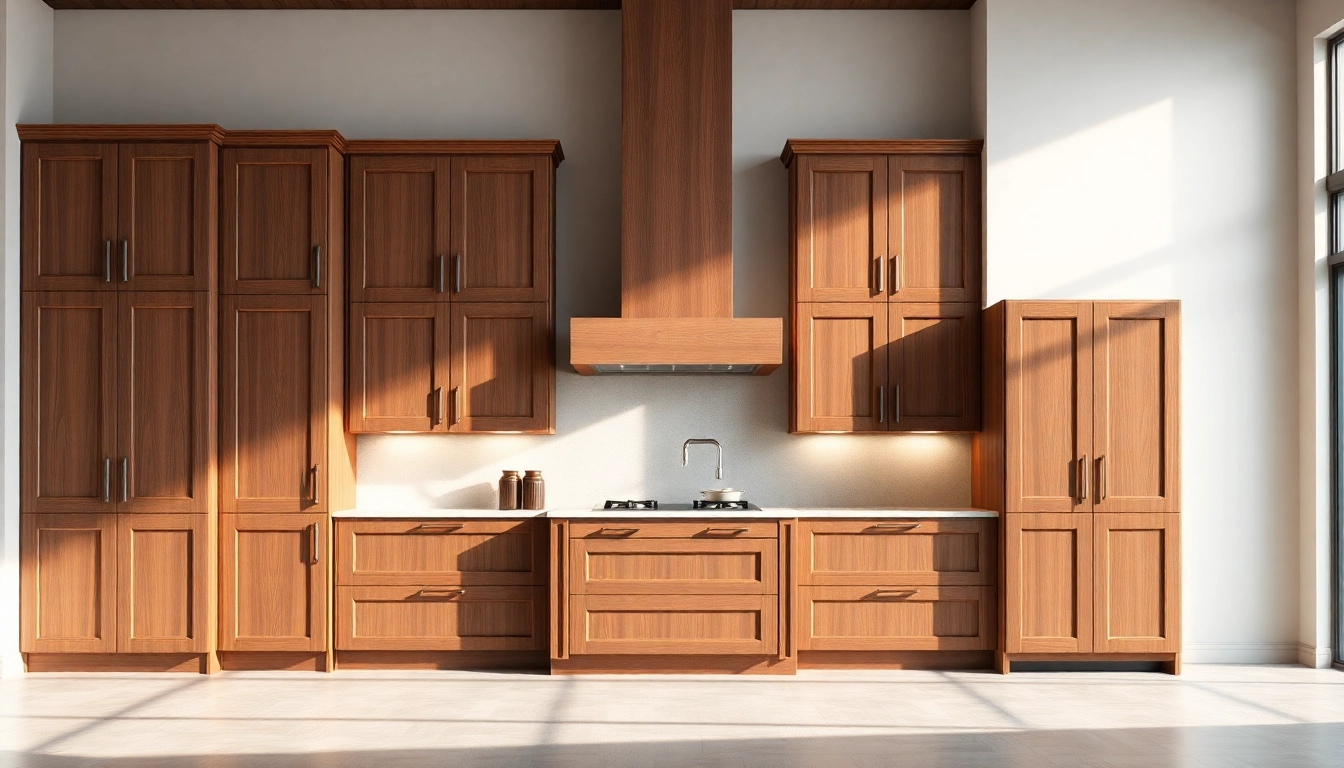
Understanding Custom Cabinets
What Are Custom Cabinets?
Custom cabinets are tailor-made cabinetry solutions designed to meet specific needs and preferences of individual homeowners or businesses. Unlike mass-produced cabinetry, custom cabinets are built to exact specifications, ensuring a perfect fit for the available space, which can be especially beneficial in kitchens, bathrooms, and other storage areas. Crafted from high-quality materials and constructed with the customer’s choice of style, these cabinets are often seen as an investment in both functionality and aesthetics.
Benefits of Choosing Custom Cabinets
The decision to opt for custom cabinets offers numerous benefits. First and foremost, they provide a tailored solution that maximizes space utilization and enhances your interior design. Custom cabinets can be built to accommodate unique dimensions, allowing for more efficient use of storage. Additionally, they offer an extensive range of materials, finishes, and styles to match your home’s aesthetic, from contemporary to traditional.
Moreover, custom cabinets tend to have superior craftsmanship, leading to a longer lifespan and better durability compared to stock cabinets. Homeowners can enjoy the liberty of choosing the hardware, colors, and finishes that match their personal style. In the long run, custom cabinets can also increase the overall value of a property by enhancing its appeal.
Materials Used for Custom Cabinets
When it comes to custom cabinets, the choice of materials plays a crucial role in both aesthetic appeal and functionality. Some of the most commonly used materials include:
- Hardwood: This is perhaps the most popular choice due to its beauty and durability. Common hardwoods include oak, maple, cherry, and walnut.
- Engineered Wood: Products like plywood or MDF (medium-density fiberboard) offer strength and stability while being cost-effective.
- Laminate: This is a versatile option that can mimic the look of wood or other materials while being easy to maintain.
- Metal: Often used for modern designs, metal cabinets offer a sleek and industrial look.
- Glass: Used for cabinet doors, glass adds an elegant touch and allows for display of decorative items.
The choice of material will ultimately depend on the desired look, required durability, and budget.
Design Considerations for Custom Cabinets
Styles and Trends in Custom Cabinets
The design of custom cabinets should reflect the homeowner’s personal style while also adhering to current trends. Popular styles include:
- Transitional: Combining elements of both traditional and contemporary styles, transitional cabinets create a harmonious look that appeals to a wide audience.
- Modern: Characterized by clean lines and minimal ornamentation, modern cabinets often utilize materials like high-gloss finishes or sleek metals.
- Farmhouse: Emphasizing rustic charm, farmhouse-style cabinets typically feature distressed finishes, open shelving, and traditional hardware.
- Shaker: A timeless design that emphasizes simplicity, Shaker cabinets feature a five-piece door design and are versatile enough to fit both traditional and modern spaces.
Staying updated with design trends not only aids in creating appealing aesthetics but also ensures the cabinets remain timeless.
Functionality vs. Aesthetics
While the visual appeal of custom cabinets is essential, functionality should never be undermined. The best designs integrate both aspects seamlessly. Homeowners should prioritize aspects like:
- Storage Solutions: Evaluating how much storage space is needed and incorporating pull-out shelves, lazy Susans, or built-in dividers can enhance functionality.
- Accessibility: Ensuring that frequently used items are easy to access can save time and effort in daily use, such as installing cabinet doors that swing fully open.
- Integration: Custom cabinets should be designed to fit harmoniously within the existing layout, whether it’s a kitchen, bathroom, or home office.
A well-thought-out approach ensuring that functionality does not sacrifice aesthetics—or vice versa—will result in cabinets that are both practical and beautiful.
Space Planning for Custom Cabinets
Effective space planning is critical when designing custom cabinets. Homeowners must consider various factors:
- Room Dimensions: Accurate measurements are essential for crafting cabinets that fit perfectly in the designated area.
- Usage Patterns: Understanding how the space will be used helps dictate the design and layout of cabinets. For example, kitchen cabinets should facilitate cooking and food storage.
- Traffic Flow: Planning for easy movement around cabinets enhances both usability and safety, especially in high-traffic areas like kitchens.
Thoughtful space planning not only maximizes storage but also enhances the overall functionality of the room.
Installation Process of Custom Cabinets
Preparing Your Space
Before installation of custom cabinets can begin, thorough preparation of the space is essential. This includes:
- Clearing the Area: Remove any existing furniture, décor, or obstacles from the installation zone to allow ample working space.
- Preparing Walls: Smooth and level walls are crucial for ensuring that cabinets fit properly and align correctly.
- Electrical and Plumbing Considerations: Ensure that all electrical outlets and plumbing fixtures are appropriately located to avoid issues post-installation.
Taking the time to prepare the space can significantly impact the efficiency and success of the installation process.
Hiring Professionals vs. DIY Installation
When it comes to installing custom cabinets, homeowners often face the decision of hiring a professional or undertaking a DIY project. Both options have their merits:
- Hiring Professionals: This guarantees a high-quality installation, as experienced professionals have the tools and expertise to handle complex layouts effectively.
- DIY Installation: If you have the necessary skills and tools, this can be a cost-effective option. However, it requires a time investment and a good understanding of cabinet assembly and installation techniques.
Your choice should depend on your comfort level with DIY projects and the complexity of the cabinet design.
Common Installation Mistakes to Avoid
Whether hiring professionals or installing cabinets yourself, a few common pitfalls can lead to problems:
- Poor Measurements: Always double-check measurements before fabrication and installation. A small mistake can lead to significant issues.
- Ignoring the Level: Installation needs to be level to avoid functional issues. Use a level tool during installation to ensure a perfect fit.
- Neglecting Layout Plan: It’s important to have a clear layout plan before proceeding with installation, as deviations can lead to misplaced cabinets.
Staying informed about these common mistakes can help avert issues during the installation process.
Maintaining Your Custom Cabinets
Cleaning and Care Tips
Proper maintenance ensures custom cabinets remain beautiful and functional over the years. Here are some essential cleaning and care tips:
- Regular Dusting: Use a soft, dry cloth to dust cabinetry regularly to prevent build-up of dirt and grime.
- Gentle Cleaners: Use mild soap and water for cleaning; avoid harsh chemicals that could damage the finish.
- Wipe Spills Immediately: Protect your cabinets from moisture damage by promptly cleaning up spills and splashes.
Establishing a cleaning routine can help preserve the integrity and appearance of your cabinets.
Identifying and Addressing Wear and Tear
Even with the best care, cabinets can show signs of wear over time. Be vigilant in identifying issues such as:
- Dings and Scratches: Small repairs can often be DIY tasks; use furniture touch-up markers to conceal minor damage.
- Loose Hardware: Regularly check cabinet handles and hinges, and tighten them as necessary to ensure optimal functionality.
- Fading Finish: If the color or finish begins to fade, it might be time for refinishing to restore its original beauty.
Addressing minor wear and tear promptly can prolong the life and functionality of custom cabinets.
When to Refinish or Replace Your Cabinets
Understanding when to refinish or replace your cabinets is crucial for maintaining your space’s aesthetic and functional appeal. Signs that it might be time for a change include:
- Stained or Damaged Finish: If cleaning doesn’t restore the appearance, refinishing might be required.
- Loss of Functionality: If cabinets no longer operate smoothly or effectively, consider replacement or a complete redesign.
- Themed Changes: If you’re redesigning the room, new cabinetry might better align with your fresh aesthetic vision.
Regularly assessing the condition of your cabinets ensures that your space remains functional and visually pleasing.
Custom Cabinets: FAQs
What is the average cost of custom cabinets?
The cost of custom cabinets can vary significantly based on materials, design, and dimensions, typically ranging from $500 to $1,500 per linear foot.
How long does it take to get custom cabinets?
Custom cabinets usually take 4 to 6 weeks to manufacture, depending on complexity and workload, but can vary by provider.
Can custom cabinets increase home value?
Yes, custom cabinets can enhance the aesthetic appeal of a home and increase overall property value, making them a worthwhile investment.
Are custom cabinets worth it?
Custom cabinets offer tailored solutions for unique spaces, superior quality, and design flexibility, making them a valuable investment for many homeowners.
How do I choose the right finish for custom cabinets?
Consider your kitchen’s overall style, colors, and maintenance needs when choosing a finish. Popular options include matte, glossy, or textured finishes.
