

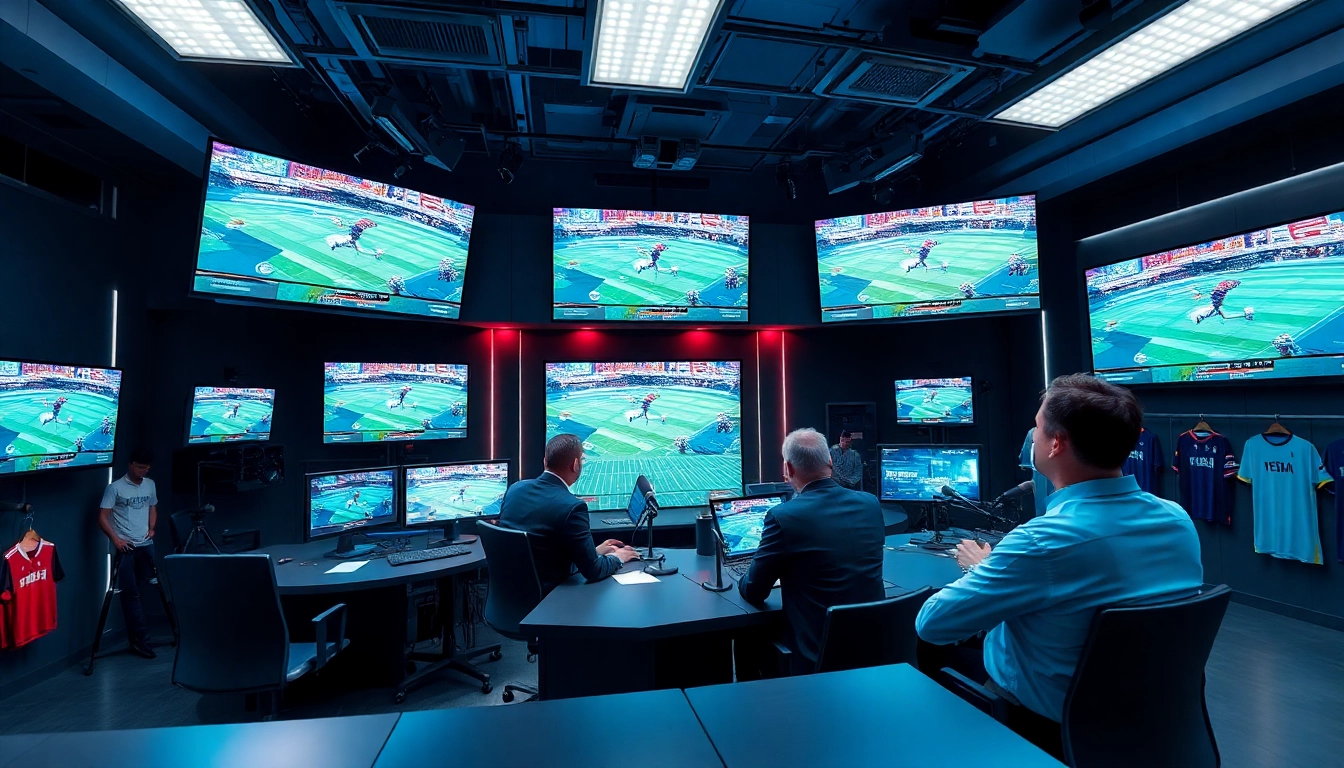
The Evolution of Sports Broadcasting
Sports broadcasting has come a long way since its inception, evolving rapidly with technological advancements and changing audience preferences. The journey of how we consume sports content today is a compelling narrative that speaks volumes about innovation, culture, and the economics of entertainment. With various mediums available, from radio to the digital landscape, the field of Sports Broadcasting has shaped how fans engage with their favorite sports and teams.
Historical Milestones in Sports Broadcasting
The roots of sports broadcasting can be traced back to the late 19th century. The first live sports broadcast occurred in 1921 when a boxing match was aired on radio. This groundbreaking moment captivated audiences and set the stage for the future of sports media. By the mid-20th century, television became the primary medium for sports broadcasting, leading to unprecedented popularity and viewership. Events like the Super Bowl and the World Series transformed from local happenings into global spectacles.
Through the decades, significant milestones included the advent of color television, which enhanced the viewing experience, and the expansion of cable TV, which allowed for the broadcasting of more diverse sporting events. The 1990s and 2000s witnessed the rise of satellite television and the introduction of 24-hour sports news networks, fundamentally changing how fans received information. The emergence of the internet and streaming services has added another layer, enabling on-demand access to sports content regardless of location.
Technological Advancements Impacting Sports Broadcasting
Over the years, technological advancements have transformed how sports are produced and consumed. High Definition (HD) and 4K broadcasting have provided fans with crystal clear visuals, enhancing the overall viewing experience. Innovations such as instant replay, slow motion, and multi-angle viewing have allowed audiences to appreciate the game more deeply.
The rise of mobile technology and applications has made it possible for fans to watch live games on their smartphones and tablets, providing flexibility that was previously unavailable. Virtual reality (VR) and augmented reality (AR) are on the horizon, promising to create immersive experiences that can place viewers in the middle of the action.
Current Trends Influencing Sports Broadcasting
Today, sports broadcasting is shaped by several key trends. The integration of social media has enabled fans to engage with content in real-time, creating a communal viewing experience that extends beyond just watching the game. Live-streaming, especially through platforms like YouTube and Twitch, has opened new avenues for non-traditional sports and niche markets to gain exposure.
Furthermore, data analytics has become indispensable in sports broadcasting, allowing broadcasters to enhance viewer engagement through statistics and insights during live broadcasts. Partnerships with analytics companies enable deeper storytelling, providing context and expert opinions that enrich the narrative.
Key Components of Effective Sports Broadcasting
Effective sports broadcasting goes beyond simply showing the game; it involves a combination of understanding the audience, deploying the right technology, and executing effective communication strategies. These elements ensure that broadcasts not only inform but also engage and entertain viewers.
Understanding the Audience in Sports Broadcasting
Understanding the audience is a fundamental aspect of sports broadcasting. Broadcasters must know who their viewers are, what sports they enjoy, and how they prefer to consume content. Demographic data plays a crucial role in shaping content strategies—different age groups may prefer different styles of presentation, commentary, and even types of sports.
Conducting surveys, analyzing viewership data, and leveraging social media feedback can provide insights into viewer preferences. Tailoring content to meet these preferences can significantly enhance viewer satisfaction and loyalty.
Essential Technologies for Sports Broadcasting
The effectiveness of sports broadcasting is heavily reliant on technology. Advanced camera equipment, drones, and stabilization tools enable dynamic and compelling footage. Furthermore, cloud technology allows for efficient storage and distribution of massive amounts of data associated with sports events.
High-performance graphics systems provide the necessary tools for real-time data visualization, enhancing broadcasts and giving the audience deeper insights. Robotic cameras and automated production systems are also trending, reducing production costs and improving consistency.
Effective Communication Strategies in Sports Broadcasting
Communication strategy is vital in sports broadcasting. Broadcasters must deliver commentary that is engaging, informative, and appropriate for the audience. This includes a balance between storytelling and analysis, keeping viewers invested in the unfolding drama of the game.
Successful sports commentators mix technical knowledge with a relatable style that connects with viewers. Incorporating social media insights and fan comments can also create a dialogue between the broadcast team and the audience, fostering a community atmosphere around the sport.
Challenges in Sports Broadcasting and How to Overcome Them
The landscape of sports broadcasting presents various challenges, from operational issues to legalities and unexpected events during live broadcasts. Addressing these challenges head-on can bolster the effectiveness of any sports broadcast.
Common Issues Faced in Sports Broadcasting
Common issues in sports broadcasting can range from technical glitches to talent-related problems and viewer engagement difficulties. Transmission errors, loss of signal, or miscommunication among production teams are frequent concerns. Broadcasters must develop contingencies to quickly resolve these issues, ensuring minimal disruption to the viewing experience.
Strategies to Tackle Legal Concerns in Sports Broadcasting
Legal challenges, particularly concerning copyright and licensing, are significant hurdles in sports broadcasting. It is essential for broadcasters to secure the necessary rights and permissions for live sports coverage. Working closely with legal teams can help navigate these complexities and ensure compliance with industry regulations.
Establishing robust agreements with sports leagues and utilizing expert legal advice can mitigate risks associated with broadcasting rights disputes and other legal challenges.
Managing Live Broadcast Mishaps in Sports Broadcasting
Live broadcasting is inherently unpredictable. Mishaps such as technical problems, unexpected interruptions, or unfavourable weather conditions can disrupt the viewing experience. To manage such incidents, broadcasters should have a well-documented crisis management plan in place.
Training staff to think on their feet and employing backup systems can reduce the impact of any challenges that occur during live events. Engaging content, such as interviews or feature presentations, can also serve as a buffer while addressing any technical difficulties.
Performance Metrics for Sports Broadcasting
Measuring the effectiveness of sports broadcasts is crucial for ongoing improvement and success. Well-defined performance metrics can help identify what works and what needs adjustment.
Key Performance Indicators in Sports Broadcasting
Key Performance Indicators (KPIs) for sports broadcasting include viewer ratings, audience engagement metrics, and revenue figures from advertisements or sponsorships. Tracking these metrics can provide insights into viewer behavior and preferences, enabling broadcasters to adjust their strategies accordingly.
Another essential KPI is social media engagement, measuring how audiences interact with broadcasts on platforms like Twitter, Instagram, or Facebook. Higher engagement typically indicates successful content delivery and resonation with the audience.
Analyzing Viewer Engagement in Sports Broadcasting
Analyzing viewer engagement goes beyond simple viewership numbers. Understanding the demographics of your audience, how long they watch, and what parts of the broadcast they find most engaging can provide more granular insights.
Tools like sentiment analysis can gauge audience reactions and opinions during a broadcast. This data is invaluable in making future adjustments to improve content quality and viewer satisfaction.
Measuring Success in Sports Broadcasting Initiatives
Measuring the success of broadcasting initiatives involves analyzing multiple factors, including audience growth, advertising revenue, and viewer retention rates. These factors collectively contribute to a broadcaster’s overall performance and growth.
Conducting post-event reviews with in-depth data analysis helps identify successful strategies and areas that need improvement, assisting in refining future broadcasts.
The Future of Sports Broadcasting
The future of sports broadcasting is poised to be just as dynamic and exciting as its past. With ongoing technological advancements and an evolving audience landscape, the potential for growth and innovation remains immense.
Emerging Technologies and Their Impact on Sports Broadcasting
Emerging technologies such as artificial intelligence (AI), blockchains, and enhanced analytics will undoubtedly change the face of sports broadcasting. AI can analyze vast amounts of data to improve viewer engagement and personalize the content delivered to individual users.
Blockchain technology offers exciting prospects for secure transactions in broadcasting rights, enabling better rights management and transition transparency. Additionally, the incorporation of 5G technology will facilitate high-quality streaming experiences, making it easier than ever to watch live events on multiple devices.
What’s Next for Viewers in Sports Broadcasting
As technology advances, viewers can expect increasingly tailored experiences with on-demand content, interactive features, and immersive viewing options. Expect a shift towards custom viewing experiences, where fans can control the feed and choose what angles or analyses they want to watch.
Personalized content recommendations based on individual viewing habits will help keep audiences invested, turning passive viewership into an interactive experience.
Long-term Predictions for Sports Broadcasting Trends
Long-term predictions indicate that sports broadcasting will continue evolving towards digital platforms, with traditional cable television seeing a decline. Virtual reality and augmented reality experiences may become mainstream, allowing fans to participate in the action like never before.
Furthermore, the integration of eSports into mainstream sports broadcasting could open new revenue streams and engage younger demographics. Digital-first strategies that prioritize streaming will shape the future of how sports content is consumed.
Frequently Asked Questions
What is sports broadcasting?
Sports broadcasting refers to the coverage and distribution of sports events through media platforms such as television, radio, and online streaming services.
How has technology changed sports broadcasting?
Technology has introduced HD broadcasts, instant replays, mobile streaming, and data analytics, making sports more engaging and accessible to fans.
What are the key metrics in sports broadcasting?
Key metrics include viewer ratings, engagement rates, audience demographics, and revenue generated from advertisements and sponsorships.
How can broadcasters improve viewer engagement?
Broadcasters can enhance engagement by utilizing social media, incorporating interactive features, and tailoring content to audience preferences.
What are the future trends in sports broadcasting?
Future trends include the rise of personalized content, integration of VR/AR experiences, and increasing reliance on streaming services over traditional cable TV.